
By the end of this module, you should be able to:
- Recognize the role of KYC & AML in preventing financial crimes and ensuring regulatory compliance
- Outline the four key steps of the KYC process
- Explain enhanced due diligence (EDD) for high-risk customers
- Identify red flags and suspicious activities in financial transactions
- Identify examples of money laundering methods used by criminals
- Describe the responsibilities of employees in detecting and reporting suspicious activities
- Teacher: Sushmitha DS
- Teacher: Preethi M
- Teacher: Sandeep Raj
By the end of the course you will be able to:
- Define KYC
- Explain the importance of KYC
- Describe risk management
- State the risk levels
- List the information needed to open a bank account
- List the instances when customer identification has to be conducted
- Describe how to monitor account and when to close accounts
- Explain the KYC procedures for digital transactions
- List the penalty for non-compliance to KYC
- Teacher: Sushmitha DS
- Teacher: Arif Ayaz
- Teacher: Sushmitha DS
- Teacher: Succeed Learn
- Teacher: Preethi M

- Teacher: Sushmitha DS
- Teacher: Succeed Learn

- Teacher: Sushmitha DS
- Teacher: Succeed Learn

- Teacher: Sushmitha DS
- Teacher: Succeed Learn
- Teacher: Preethi M
- Teacher: Vaishnavi V
- Teacher: Sushmitha DS
- Teacher: Succeed Learn
- Teacher: Preethi M

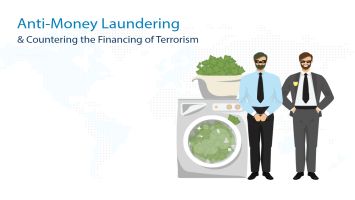
Failure to comply with Money Laundering and Terrorist Financing regulations can impose criminal and civil liability on your organisation. This course is a legal requirement for all organisations that operate and deal with businesses in the UK. The course provides insight about the laws, CDD (Client Due Diligence) process, and helps in identifying the behaviours that may indicate money laundering activities. It also explains the prevention of money laundering activities and its reporting procedures.
- Teacher: Arif Ayaz
- Teacher: Sushmitha DS
- Teacher: Succeed Learn
- Teacher: Vaishnavi V