- Teacher: Sushmitha DS
- Teacher: Succeed Learn
- Teacher: Platform Team Platform Team
Demo
Skip available courses

















By the end of this course, you should be able to:




▪ Distinguish between ‘Personal Data’ and ‘Sensitive Data’.
▪ List the principles of Data Protection.
▪ State the best practices for sharing Personal Data.
▪ Explain the best practices in Data Protection.





























Available courses
- Teacher: Sushmitha DS
- Teacher: Succeed Learn
- Teacher: Platform Team Platform Team
By the end of this course, you will be able to:
- Identify sexual harassment in the workplace
- Describe the common types of sexual harassment
- Distinguish between reasonable and harassing behaviour of sexual nature and between intent and impact
- State what to do when you experience or witness sexual harassment
- Know your rights and responsibilities to handle sexual harassment
- Define workplace in the context of sexual harassment at workplace
- List the dos and don’ts when working remotely
- Explain the pitfalls of personal relationships at the workplace
- Summarize the consequences of filing a false complaint
- Teacher: Santhosh KT
- Teacher: Santhosh KT
By the end of this module, you will be able to:
- Understand key responsibilities
- Handle different phases of the complaint cycle
- Implement proactive measures to prevent sexual harassment
- Teacher: Sandeep Raj
- Teacher: Arif Ayaz
- Teacher: Arif Ayaz
- Teacher: Vignesh Raju
- Teacher: Vaishnavi V
- Teacher: Sushmitha DS
- Teacher: Succeed Learn
- Teacher: Vignesh Raju
- Teacher: Vaishnavi V
- Teacher: Vignesh Raju
- Teacher: Vaishnavi V
- Teacher: Sushmitha DS
Gen AI Awareness
- Teacher: Kavita Thomas
- Lorem ipsum dolor sit amet, consectetuer adipiscing elit.
- Aliquam tincidunt mauris eu risus.
- Vestibulum auctor dapibus neque.
- Nunc dignissim risus id metus.
- Vivamus vestibulum ntulla nec ante.
REf
This is a Demo sample to test the full screen issue.
Test
By successfully completing this training, you will be able to:
- Explain the importance of privacy and data protection
- Distinguish between ‘Personal Data’ and ‘Sensitive Data
- List the principles of Data Protection
- State the best practices for sharing Personal Data
- Explain the best practices in Data Protection
- Teacher: Sushmitha DS

Test
By the end of this module, you will be able to:
- Understand key responsibilities
- Handle different phases of the complaint cycle
- Implement proactive measures to prevent sexual harassment
- Teacher: Sushmitha DS
This is for Download only
By the end of this course, you will be able to:
- Identify sexual harassment in the workplace
- Describe the common types of sexual harassment
- Distinguish between reasonable and harassing behaviour of sexual nature and between intent and impact
- State what to do when you experience or witness sexual harassment
- Know your rights and responsibilities to handle sexual harassment
- Define workplace in the context of sexual harassment at workplace
- List the dos and don’ts when working remotely
- Explain the pitfalls of personal relationships at the workplace
- Summarize the consequences of filing a false complaint
- Teacher: Sushmitha DS

jhoevjorkVJ
These are just sample videos of Animation
- Teacher: Succeed Learn
- Teacher: Succeed Learn
- Teacher: Platform Team Platform Team

By the end of this training, you will be able to:
- Understand the common applications of Generative AI in the workplace
- Explain the legal and regulatory requirements for responsible AI use
- Identify the risks, limitations, and potential benefits of using Generative AI
- Evaluate the key advantages and disadvantages of Gen AI tools
- Take appropriate action when encountering misuse, inaccuracy, or policy violations
- Teacher: Sushmitha DS
- Teacher: Sushmitha DS
- Teacher: Succeed Learn
- Teacher: Preethi M
- Teacher: Arif Ayaz
- Teacher: Sushmitha DS
- Teacher: Succeed Learn
- Teacher: Arif Ayaz
- Teacher: Sushmitha DS
- Teacher: Succeed Learn
- Teacher: Preethi M
- Teacher: Platform Team Platform Team

- Teacher: Sushmitha DS
- Teacher: Succeed Learn
- Teacher: Sushmitha DS
- Teacher: Succeed Learn
- Teacher: Platform Team Platform Team
- Teacher: Sushmitha DS
- Teacher: Succeed Learn
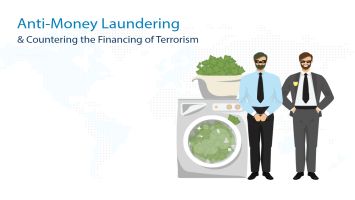
Failure to comply with Money Laundering and Terrorist Financing regulations can impose criminal and civil liability on your organisation. This course is a legal requirement for all organisations that operate and deal with businesses in the UK. The course provides insight about the laws, CDD (Client Due Diligence) process, and helps in identifying the behaviours that may indicate money laundering activities. It also explains the prevention of money laundering activities and its reporting procedures.
- Teacher: Vaishnavi V
- Teacher: Sushmitha DS
- Teacher: Succeed Learn
- Teacher: Arif Ayaz
- Teacher: Sushmitha DS
- Teacher: Succeed Learn
- Teacher: Preethi M
- Teacher: Sushmitha DS
- Teacher: Succeed Learn
- Teacher: Vignesh Raju
- Teacher: Sushmitha DS
- Teacher: Succeed Learn
- Teacher: Preethi M
- Teacher: Sushmitha DS
- Teacher: Succeed Learn
- Teacher: Platform Team Platform Team
- Teacher: Arif Ayaz
- Teacher: Sushmitha DS
- Teacher: Succeed Learn
- Teacher: Preethi M
- Teacher: Platform Team Platform Team
- Teacher: Sandeep Raj
- Teacher: Vignesh Raju
- Teacher: Vaishnavi V
- Teacher: Sushmitha DS
- Teacher: Succeed Learn
- Teacher: Preethi M
- Teacher: Sandeep Raj
- Teacher: Sushmitha DS
- Teacher: Succeed Learn
- Teacher: Sushmitha DS
- Teacher: Succeed Learn
- Teacher: Vignesh Raju
- Teacher: Sushmitha DS
- Teacher: Succeed Learn
- Teacher: Preethi M
- Teacher: Vignesh Raju
- Teacher: Vaishnavi V
- Teacher: Sushmitha DS
- Teacher: Succeed Learn
- Teacher: Vignesh Raju
- Teacher: Sushmitha DS
- Teacher: Succeed Learn
- Teacher: Preethi M
- Teacher: Platform Team Platform Team
- Teacher: Sushmitha DS
- Teacher: Succeed Learn
- Teacher: Platform Team Platform Team
- Teacher: Sandeep Raj
- Teacher: Sushmitha DS
- Teacher: Succeed Learn
- Teacher: Platform Team Platform Team
- Teacher: Sushmitha DS
- Teacher: Succeed Learn
- Teacher: Preethi M
- Teacher: Platform Team Platform Team
- Teacher: Arif Ayaz
- Teacher: Sushmitha DS
- Teacher: Succeed Learn
By the end of this course, you should be able to:
- Teacher: Sushmitha DS
- Teacher: Arif Ayaz
- Teacher: Sushmitha DS

- Teacher: Sushmitha DS
- Teacher: Succeed Learn
- Teacher: Preethi M
- Teacher: Vaishnavi V
- Teacher: Sushmitha DS
- Teacher: Succeed Learn
- Teacher: Sushmitha DS
- Teacher: Succeed Learn
- Teacher: Preethi M
- Teacher: Arif Ayaz
- Teacher: Sushmitha DS
- Teacher: Succeed Learn
- Teacher: Platform Team Platform Team
- Teacher: Sushmitha DS
- Teacher: Succeed Learn
- Teacher: OM Panade
- Teacher: Vignesh Raju
- Teacher: Vaishnavi V
By the end of this course, you will be able to:
-
Identify sexual harassment in the workplace
-
Describe the common types of sexual harassment
-
Distinguish between reasonable and harassing behaviour of sexual nature and between intent and impact
-
State what to do when you experience or witness sexual harassment
-
Know your rights and responsibilities to handle sexual harassment
-
Define workplace in the context of sexual harassment at workplace
-
List the dos and don’ts when working remotely
-
Explain the pitfalls of personal relationships at the workplace
-
Summarize the consequences of filing a false complaint
- Teacher: Sushmitha DS
Through this course, you will be able to:
-
Explain the importance of your role in securing the Organisational IT infrastructure
-
Identify the common IT security issues
-
Prevent Social Media Exploitation
-
Reduce attacks like Malware, Hacking, Phishing, Vishing and Smishing
-
Use personal and official IT resources safely and securely while working from office or remotely
-
Classify data based on their sensitivity
-
Practice safe banking and safe internet browsing
- Teacher: Sushmitha DS
By the end of this course, you will be able to:
-
Identify sexual harassment in the workplace
-
Describe the common types of sexual harassment
-
Distinguish between reasonable and harassing behaviour of sexual nature and between intent and impact
-
State what to do when you experience or witness sexual harassment
-
Know your rights and responsibilities to handle sexual harassment
-
Define workplace in the context of sexual harassment at workplace
-
List the dos and don’ts when working remotely
-
Explain the pitfalls of personal relationships at the workplace
-
Summarize the consequences of filing a false complaint
- Teacher: Sushmitha DS
By the end of the module, you should be able to:
- Define harassment and sexual harassment
- List the forms of sexual harassment, including hostile work environment and quid pro quo sexual harassment
- Explain the difference between sexual harassment and reasonable behavior
- Discuss the concept of intent vs impact in cases of harassment
- Outline the steps to take if you are harassed, including giving feedback and filing a complaint
- Demonstrate how to act as an active bystander when witnessing harassment
- Teacher: Sushmitha DS
Through this course, you will be able to:
-
Explain the importance of your role in securing the Organisational IT infrastructure
-
Identify the common IT security issues
-
Prevent Social Media Exploitation
-
Reduce attacks like Malware, Hacking, Phishing, Vishing and Smishing
-
Use personal and official IT resources safely and securely while working from office or remotely
-
Classify data based on their sensitivity
-
Practice safe banking and safe internet browsing
- Teacher: Sushmitha DS
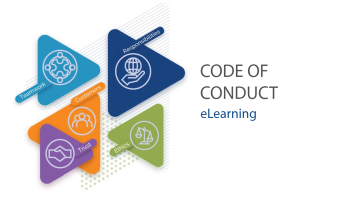
By the end of this course, you should be able to:
• Describe employee responsibilities in maintaining our organization’s Code of Conduct.
• List the steps to promote compliance to the code of conduct
• Explain the importance of reporting of violations
• Implement our organization’s code of conduct in your business interactions and job responsibilities
- Teacher: Sushmitha DS
By the end of this program, you will be able to:
-
List the important components of ESG Framework
-
Explain how the ESG Framework contributes to sustainable business environment.
-
Contribute to improve sustainability through small but effective actions
- Teacher: Sushmitha DS
By the end of this course, you will be able to:
-
Identify sexual harassment in the workplace
-
Describe the common types of sexual harassment
-
Distinguish between reasonable and harassing behaviour of sexual nature and between intent and impact
-
State what to do when you experience or witness sexual harassment
-
Know your rights and responsibilities to handle sexual harassment
-
Understand considerations around personal relationships at the workplace
- List the dos and don’ts when working remotely
-
Explain the pitfalls of personal relationships at the workplace
-
Summarize the consequences of filing a false complaint
- Teacher: Sushmitha DS
By the end of this module, you will be able to:
- Revise the definition and types of sexual harassment.
- Understand the difference between intent and impact.
- State what to do when you experience sexual harassment.
- Summarize your rights and responsibilities in preventing sexual harassment.
- Teacher: Sushmitha DS
By the end of this course, you will be able to:
-
Identify sexual harassment in the workplace
-
Describe the common types of sexual harassment
-
Distinguish between reasonable and harassing behaviour of sexual nature and between intent and impact
-
State what to do when you experience or witness sexual harassment
-
Know your rights and responsibilities to handle sexual harassment
-
Define workplace in the context of sexual harassment at workplace
-
List the dos and don’ts when working remotely
-
Explain the pitfalls of personal relationships at the workplace
-
Summarize the consequences of filing a false complaint
- Teacher: Sushmitha DS
- Teacher: Sushmitha DS
- Teacher: Vignesh Raju
- Teacher: Sushmitha DS
- Teacher: Sushmitha DS

By the end of this course, you will be able to:
- Define money laundering and terrorist financing
- Define the KYC requirements and explain the risk-based approach to anti-money laundering and countering financing of terrorism
- State the laws that govern Anti-Money Laundering and Countering the financing of terrorism
- Identify the behaviours that may indicate money laundering activities
- Report and prevent money laundering activities
- Teacher: Sushmitha DS
By the end of this module, you will be able to:
- Understand key responsibilities
- Handle different phases of the complaint cycle
- Implement proactive measures to prevent sexual harassment
- Teacher: Sushmitha DS
By the end of this course, you will be able to:
-
Identify sexual harassment in the workplace
-
Describe the common types of sexual harassment
-
Distinguish between reasonable and harassing behaviour of sexual nature and between intent and impact
-
State what to do when you experience or witness sexual harassment
-
Know your rights and responsibilities to handle sexual harassment
-
Define workplace in the context of sexual harassment at workplace
-
List the dos and don’ts when working remotely
-
Explain the pitfalls of personal relationships at the workplace
-
Summarize the consequences of filing a false complaint
- Teacher: Sushmitha DS
By the end of this module, you should be able to:
Define insider trading and UPSI
Identify who insiders and designated persons
Explain the negative consequences of insider trading
List the dos and don’ts during trading window closure
Explain the processes of pre-clearance of trade and recording of UPSI
- Teacher: Sushmitha DS
By the end of this course, you should be able to:
-
Describe employee responsibilities in maintaining our organization’s Code of Conduct.
-
List the steps to promote compliance to the code of conduct
-
Explain the importance of reporting of violations
-
Implement our organization’s code of conduct in your business interactions and job responsibilities
- Teacher: Sushmitha DS
At the end of this program, you will be able to:
- List the important components of ESG Framework
- List LatentViews actions to contribute towards sustainable business environment
- Contribute to improve sustainability through small but effective actions
- Know the reporting procedures for any ESG Violation
- Teacher: Sushmitha DS
- Teacher: Preethi M
- Teacher: OM Panade
By the end of this course, you will be able to:
- Explain corporate bribery and corruption
- Distinguish between the dos and don'ts of corporate hospitality
- Describe our organization's policy
- Identify and counter bribery practices
- Teacher: Sushmitha DS
By the end of this course, you will be able to:
- Identify sexual harassment in the workplace
- Describe the common types of sexual harassment
- Distinguish between reasonable and harassing behaviour of sexual nature and between intent and impact
- State what to do when you experience or witness sexual harassment
- Know your rights and responsibilities to handle sexual harassment
- Define workplace in the context of sexual harassment at workplace
- List the dos and don’ts when working remotely
- Explain the pitfalls of personal relationships at the workplace
- Summarize the consequences of filing a false complaint
- Teacher: Sushmitha DS
- Teacher: Vignesh Raju
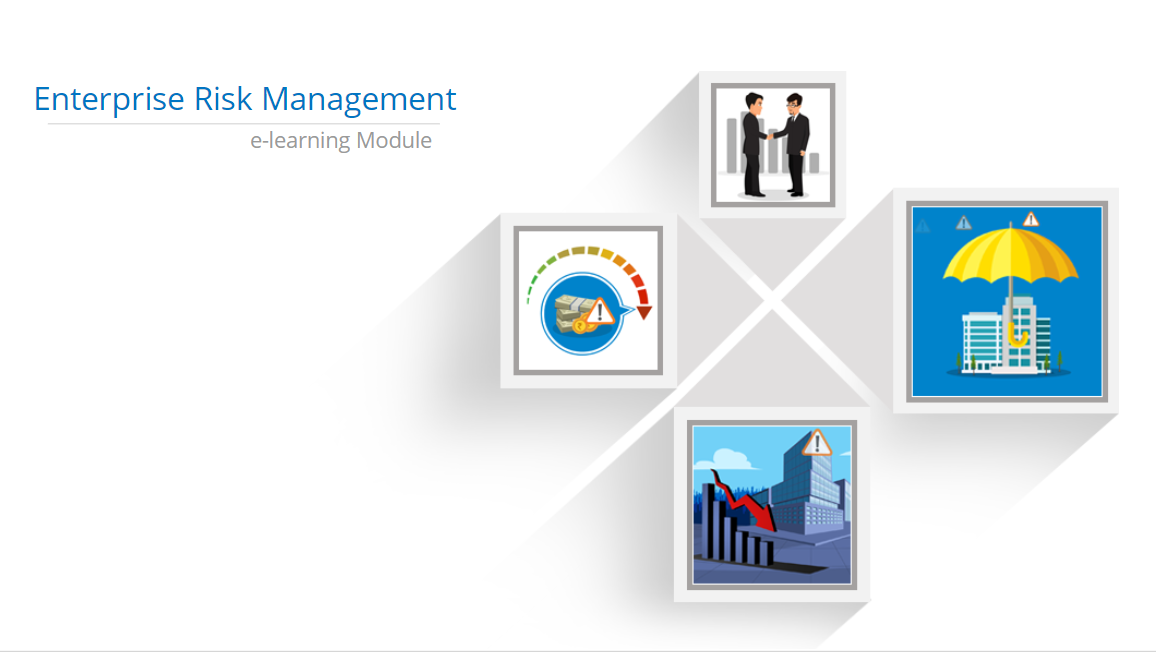
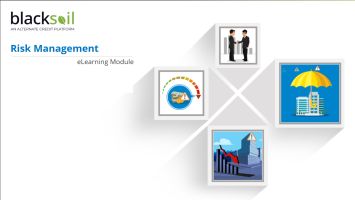
By the end of this module, you will be able to:
- Explain and adhere to the Risk Management Policy
- Identify, assess and quantify risk exposures.
- List the main types of business risks.
- Describe the 5-step process to mitigate risks.
- Teacher: Sushmitha DS
- Teacher: Arif Ayaz
- Teacher: Sushmitha DS
- Teacher: Sandeep Raj
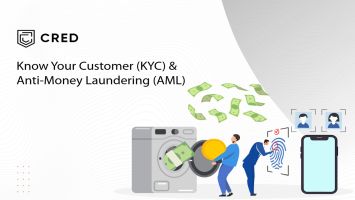
By the end of this module, you should be able to:
- Recognize the role of KYC & AML in preventing financial crimes and ensuring regulatory compliance
- Outline the four key steps of the KYC process
- Explain enhanced due diligence (EDD) for high-risk customers
- Identify red flags and suspicious activities in financial transactions
- Identify examples of money laundering methods used by criminals
- Describe the responsibilities of employees in detecting and reporting suspicious activities
- Teacher: Sushmitha DS
At the end of this program, you will be able to:
- List the important components of ESG Framework
- Explain how the ESG Framework contributes to sustainable business environment.
- Explain how ESG Framework can be expanded to our Suppliers & Consumers
- Contribute to improve sustainability through small but effective actions
- Know the reporting procedures for any ESG Violation
- Teacher: Sushmitha DS
- Teacher: Sushmitha DS
- Teacher: Succeed Learn

- Teacher: Sushmitha DS
- Teacher: Succeed Learn
By the end of this course, you should be able to:
- Explain the purpose and importance of stewardship responsibilities
- Demonstrate how to apply the Stewardship Policy in different scenarios
- Develop a strategic plan for enhancing stewardship practices that aligns with the organizational goals
- Teacher: Sushmitha DS
- Teacher: Sushmitha DS
- Teacher: Succeed Learn
- Teacher: Sushmitha DS
- Teacher: Succeed Learn
- Teacher: Sushmitha DS
- Teacher: Succeed Learn
- Teacher: Preethi M

By successfully completing this training, you will be able to
▪ Explain the importance of privacy and data protection.▪ Distinguish between ‘Personal Data’ and ‘Sensitive Data’.
▪ List the principles of Data Protection.
▪ State the best practices for sharing Personal Data.
▪ Explain the best practices in Data Protection.
- Teacher: Sushmitha DS
By the end of this course, you should be able to:
- Teacher: Sushmitha DS

At the end of this module, you should be able to:
- Define the term protected disclosure
- Identify who Whistle Blowers and Subjects are
- Learn about the disciplinary actions that may be taken against a subject
- List the consequences of a false disclosure
- Describe how the Whistle Blower policy maintains confidentiality
- Teacher: Sushmitha DS
By the end of this module, you will be able to:
- Describe fraud and its impact
- Classify types of fraud
- Identify common perpetrators and their methods
- Apply Anti-Fraud Policy in daily decisions
- Use fraud detection methods
- Teacher: Sushmitha DS
- Teacher: Arif Ayaz
- Teacher: Sushmitha DS
By the end of the module, you should be able to:
- Identify the key steps in Arista’s patent process and the timeline for filing a patent.
- Demonstrate how to fill out an IDF form by including necessary details.
- Differentiate between who qualifies as an inventor and who does not under patent law.
- Formulate a well-structured IDF that includes diagrams, flowcharts, and relevant prior art references.
- Teacher: Sushmitha DS
- Teacher: Sushmitha DS
- Teacher: Succeed Learn
- Teacher: Sushmitha DS
- Teacher: Sandeep Raj

By the end of this course, you will be able to:
- Identify sexual harassment in the workplace
- Describe the common types of sexual harassment
- Distinguish between reasonable and harassing behaviour of sexual nature and between intent and impact
- State what to do when you experience or witness sexual harassment
- Know your rights and responsibilities to handle sexual harassment
- Define workplace in the context of sexual harassment at workplace
- List the dos and don’ts when working remotely
- Explain the pitfalls of personal relationships at the workplace
- Summarize the consequences of filing a false complaint
- Teacher: Sushmitha DS
By the end of this module, you will be able to:
- Understand key responsibilities
- Handle different phases of the complaint cycle
- Implement proactive measures to prevent sexual harassment
- Teacher: Sushmitha DS
By the end of this course, you will be able to:
- Explain corporate bribery and corruption
- List the popular anti-bribery and anti-corruption laws
- Distinguish between the dos and don'ts of corporate hospitality
- Describe our organization's policy
- Identify and counter bribery practices
- Teacher: Sushmitha DS
By the end of this module, you will be able to:
- Understand the structure of the Internal Committee
- State who can file a complaint and against whom it can be filed
- List the criteria to determine the jurisdiction of IC
- Differentiate between gender-discrimination and sexual harassment
- Explain principles of natural justice
- List the Interim Measures that can be granted to the complainant during pendency of inquiry
- List your roles and responsibilities in creating a harassment-free workplace.
- Summarize POSH Annual Report filing procedure
- Teacher: Sushmitha DS
By the end of this module, you should be able to:
- Business Continuity and Business Continuity Plan
- Purpose and benefits of Business Continuity Management System
- Various components of a Business Continuity Management System
- Roles and responsibilities of an organisation’s stakeholders, in the management of Business Continuity
- Teacher: Sushmitha DS
Through this course, you will be able to:
- Explain the importance of your role in securing the Organisational IT infrastructure
- Identify the common IT security issues
- Prevent Social Media Exploitation
- Reduce attacks like Malware, Hacking, Phishing, Vishing and Smishing
- Use personal and official IT resources safely and securely while working from office or remotely
- Classify data based on their sensitivity
- Practice safe banking and safe internet browsing
- Teacher: Sushmitha DS
- Teacher: Sushmitha DS
- Teacher: Vignesh Raju
- Teacher: Sushmitha DS
- Teacher: Succeed Learn
- Teacher: Sandeep Raj
By the end of this course, you should be able to:
- Describe employee responsibilities in maintaining our organization’s Code of Conduct.
- List the steps to promote compliance to the code of conduct
- Explain the importance of reporting of violations
- Implement our organization’s code of conduct in your business interactions and job responsibilities
- Teacher: Sushmitha DS
By the end of this course, you should be able to:
- Describe employee responsibilities in maintaining our organization’s Code of Conduct.
- List the steps to promote compliance to the code of conduct
- Explain the importance of reporting of violations
- Implement our organization’s code of conduct in your business interactions and job responsibilities
- Teacher: Sushmitha DS
- Teacher: Sushmitha DS
- Teacher: Preethi M
- Teacher: Sandeep Raj
- Teacher: Vignesh Raju
- Teacher: Sushmitha DS



- Teacher: Sushmitha DS
- Teacher: Vignesh Raju




- Teacher: Sushmitha DS
- Teacher: Succeed Learn
- Teacher: Preethi M
- Teacher: Sushmitha DS
- Teacher: Preethi M
- Teacher: Sandeep Raj
- Teacher: Vignesh Raju
- Teacher: Vaishnavi V


- Teacher: Sushmitha DS
- Teacher: Sandeep Raj

- Teacher: Sushmitha DS
- Teacher: Succeed Learn
- Teacher: Sushmitha DS
- Teacher: Succeed Learn
- Teacher: Sushmitha DS
- Teacher: Succeed Learn

- Teacher: Sushmitha DS
- Teacher: Succeed Learn
- Teacher: Sushmitha DS
- Teacher: Succeed Learn
At the end of this module, you should be able to:
● Define Business Continuity and Business Continuity Plan.
● Explain the purpose and benefits of Business Continuity Management System.
● List the various components of a Business Continuity Management System.
● Identify the roles and responsibilities of an organization’s stakeholders, in the management of Business Continuity.
- Teacher: Sushmitha DS
- Teacher: Succeed Learn

- Teacher: Sushmitha DS
- Teacher: Succeed Learn
- Teacher: Succeed Learn

- Teacher: Sushmitha DS
- Teacher: Succeed Learn
- Teacher: Platform Team Platform Team
- Teacher: Sandeep Raj

- Teacher: Succeed Learn
- Teacher: Sushmitha DS
- Teacher: Succeed Learn

By the end of this module, you should be able to:
- Recognize the role of KYC & AML in preventing financial crimes and ensuring regulatory compliance
- Outline the four key steps of the KYC process
- Explain enhanced due diligence (EDD) for high-risk customers
- Identify red flags and suspicious activities in financial transactions
- Identify examples of money laundering methods used by criminals
- Describe the responsibilities of employees in detecting and reporting suspicious activities
- Teacher: Sushmitha DS
- Teacher: Preethi M
- Teacher: Sandeep Raj
By the end of the course you will be able to:
- Define KYC
- Explain the importance of KYC
- Describe risk management
- State the risk levels
- List the information needed to open a bank account
- List the instances when customer identification has to be conducted
- Describe how to monitor account and when to close accounts
- Explain the KYC procedures for digital transactions
- List the penalty for non-compliance to KYC
- Teacher: Sushmitha DS
- Teacher: Arif Ayaz
- Teacher: Sushmitha DS
- Teacher: Succeed Learn
- Teacher: Preethi M

- Teacher: Sushmitha DS
- Teacher: Succeed Learn
- Teacher: Sushmitha DS
- Teacher: Succeed Learn
- Teacher: Sushmitha DS
- Teacher: Succeed Learn
- Teacher: Preethi M
- Teacher: Vaishnavi V
- Teacher: Sushmitha DS
- Teacher: Succeed Learn
- Teacher: Preethi M
Failure to comply with Money Laundering and Terrorist Financing regulations can impose criminal and civil liability on your organisation. This course is a legal requirement for all organisations that operate and deal with businesses in the UK. The course provides insight about the laws, CDD (Client Due Diligence) process, and helps in identifying the behaviours that may indicate money laundering activities. It also explains the prevention of money laundering activities and its reporting procedures.
- Teacher: Arif Ayaz
- Teacher: Sushmitha DS
- Teacher: Succeed Learn
- Teacher: Vaishnavi V

- Teacher: Sushmitha DS
- Teacher: Vignesh Raju
- Teacher: Succeed Learn
This training is designed to guide you through the responsible use of AI, ensuring that we embrace progress and innovation without compromising confidentiality, privacy or data security.
- By the end of this training, you will:
- Gain a foundational understanding of what Generative AI is and how it functions.
- Familiarise with Laws and Regulations on AI
- Recognise the Limitations of Generative AI
- Learn the Dos and Don’ts with Respect to Generative AI
- Assess the Risks Involved with Using Generative AI and take remedial actions to mitigate the risk
Lorem ipsum dolor sit amet, consectetur adipiscing elit. Pellentesque mollis felis id sem scelerisque varius. In sollicitudin nunc leo, dignissim faucibus sem tincidunt a. Nullam velit justo, condimentum tempus lorem eget, rhoncus euismod magna. Nulla iaculis, enim sed varius scelerisque, mauris leo congue tortor, in congue eros quam eget felis. Sed tempor ut sapien id fringilla. Maecenas auctor fermentum lectus, a luctus arcu fermentum eu. Curabitur volutpat ligula id lorem luctus, in feugiat felis suscipit. Nulla ullamcorper enim nec quam gravida tempus. Praesent ullamcorper id libero ac pulvinar.
Vestibulum dignissim velit at leo accumsan lacinia. Aenean tellus magna, bibendum quis ligula quis, feugiat placerat tellus. Vestibulum tristique enim et pellentesque aliquam. Quisque pharetra ipsum ut cursus faucibus. Phasellus quis felis magna. Nam auctor, ipsum non molestie gravida, justo nisi ultrices nibh, molestie ultrices nunc nibh id lectus. Sed sed porttitor justo. Ut urna massa, malesuada quis consectetur vel, ultrices at lorem. Aliquam a feugiat nisi.
- Teacher: Sushmitha DS
- Teacher: OM Panade
- Teacher: Sandeep Raj
- Teacher: Vignesh Raju
- Teacher: Sushmitha DS
- Teacher: OM Panade
- Teacher: Sandeep Raj
- Teacher: Vignesh Raju
- Teacher: Sushmitha DS
- Teacher: OM Panade
- Teacher: Sandeep Raj
- Teacher: Vignesh Raju
- Teacher: Sushmitha DS
- Teacher: OM Panade
- Teacher: Sandeep Raj
- Teacher: Vignesh Raju
- Teacher: Sushmitha DS
- Teacher: OM Panade
- Teacher: Sandeep Raj
- Teacher: Vignesh Raju
- Teacher: Sushmitha DS
- Teacher: OM Panade
- Teacher: Sandeep Raj
- Teacher: Vignesh Raju


- Teacher: Vaishnavi V
- Teacher: Vaishnavi V
- Teacher: Vaishnavi V